
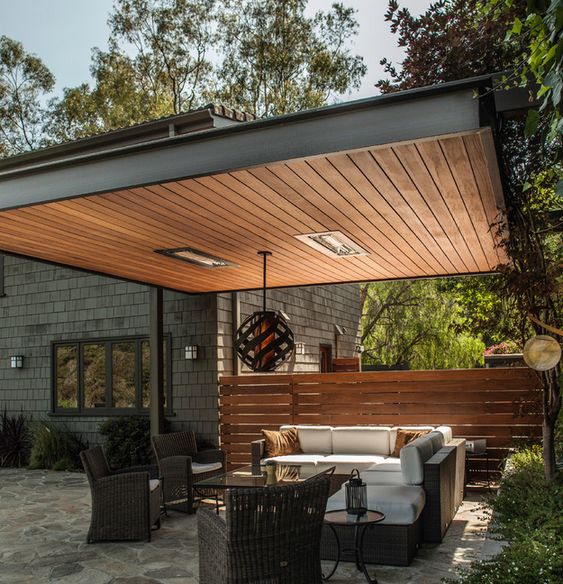
Linear ceilings, such as the 84C, 184C, and 284C, are used in architectural and interior design for several reasons:
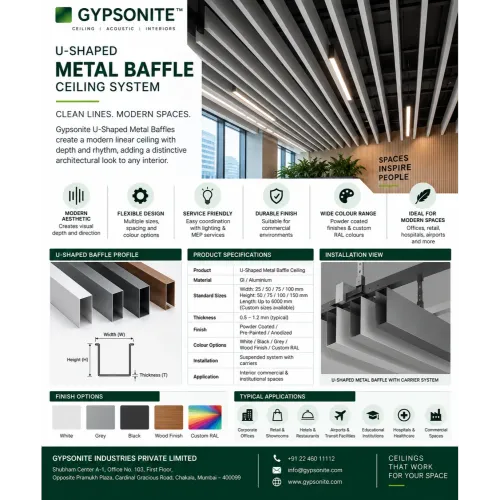
Aesthetics: Linear ceilings provide a clean and modern aesthetic, creating a sleek and continuous look across a ceiling surface. They are often used to achieve a minimalist design that complements various architectural styles.
Versatility: These linear ceiling systems come in different variations (e.g., 84C, 184C, 284C) with varying dimensions and profiles, offering designers flexibility in choosing the right fit for their specific design vision.
Customization: Linear ceiling systems can be tailored to specific project requirements. Designers can choose the dimensions, spacing, and finish options to achieve the desired visual effect.
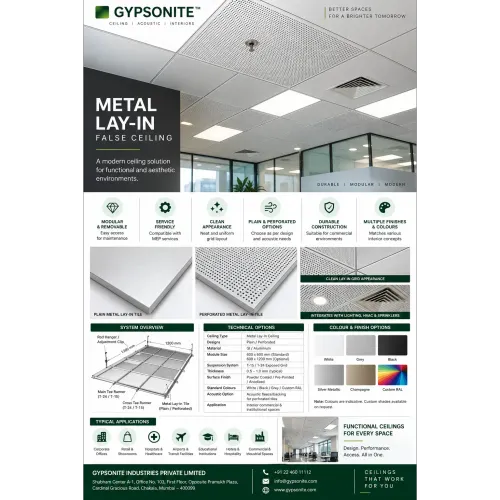
Lighting Integration: Linear ceilings are often used to integrate lighting fixtures seamlessly. Recessed lights, linear LED strips, or other lighting elements can be incorporated into the ceiling design, creating a cohesive and functional lighting solution.
Acoustic Performance: Some linear ceiling systems are designed to improve acoustic performance by absorbing and diffusing sound. This is particularly useful in spaces where noise control and a comfortable acoustic environment are important, such as offices, conference rooms, or educational institutions.
Durability: Linear ceiling systems are typically constructed from durable materials like aluminum, steel, or other metals. This ensures their longevity and resistance to wear and tear.
Fire Resistance: Many linear ceiling systems are designed to meet fire safety standards, providing safety for building occupants.
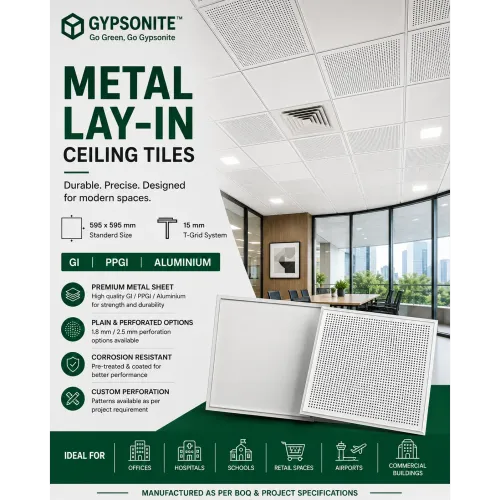
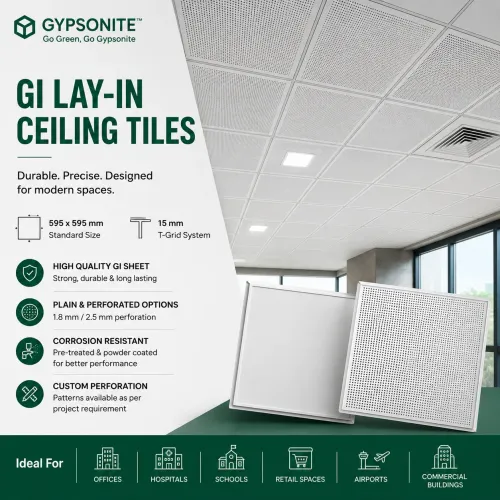
Accessibility: Linear ceilings can provide easy access to building systems such as HVAC, plumbing, and electrical components. They are often designed to allow for simple maintenance and modifications without major disruptions to the ceiling.
Sustainability: Some linear ceiling systems are made from recycled materials and can be recycled at the end of their useful life, aligning with sustainability goals in building design and construction.
Light Reflection: Linear ceilings can reflect and distribute natural and artificial light effectively, potentially reducing the need for additional lighting and saving energy.
Maintenance: They are relatively easy to clean and maintain, helping maintain a clean and attractive appearance over time.